Cold storage is easy to ignore when everything is working. Products arrive, temperatures remain stable and staff open the door without thinking about the compressors, controls and airflow doing the real work. The moment cooling stops, however, refrigeration becomes an operational priority. For food businesses, supermarkets, hospitality venues and other temperature-sensitive operations, a failure can affect stock, service and workflow at the same time.
1. Protecting temperature-sensitive stock
The first job of commercial refrigeration solutions is simple to describe and difficult to compromise on: keep products within the temperature conditions they require. Different goods may need different storage ranges, and businesses should follow applicable food-safety rules, manufacturer directions and their own documented procedures.
A system must therefore be sized and configured for the actual load. Frequent door opening, warm incoming stock, room temperature and poor airflow can all increase demand. Equipment that performs well in a lightly used test environment may behave differently during a busy service period.
2. Managing downtime before it becomes a crisis
Breakdowns rarely choose a convenient hour. A failed cool room during a quiet morning is disruptive; the same failure before a weekend service can be much harder to manage. Planned maintenance helps identify worn components, dirty condensers, damaged seals and control issues before they become obvious failures.
Reliable commercial refrigeration solutions also need a response plan around them. Staff should know who to contact, what products can be moved, which temperatures need checking and how to document an incident. The machinery matters, but the operating procedure around it can reduce confusion when time is limited and pressure is already high.
3. Designing airflow that can actually work
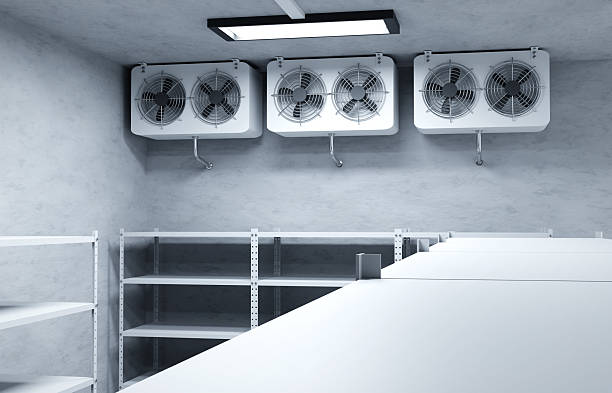
Cold air needs space to circulate. Overloading shelves, blocking evaporators or stacking cartons against vents can create warm spots even when the displayed temperature looks normal. Good storage practice keeps airflow paths clear and avoids treating every empty centimetre as usable capacity.
Door discipline matters too. Repeated opening allows warm, humid air to enter, increasing the work required to pull the space back to temperature. In busy venues, layout can reduce this load by keeping frequently used items easy to reach.
4. Watching energy without sacrificing performance
Refrigeration often runs for long periods, so efficiency can influence operating costs. The answer is not simply to raise temperatures or reduce cooling. It is to remove avoidable waste while preserving required conditions.
Clean heat-exchange surfaces, intact door seals, correctly operating fans and sensible set-points can all support efficient operation. Modern controls may also help businesses understand run time and temperature behaviour. Any changes should suit the equipment, stored goods and relevant requirements rather than chase savings in isolation.
Documentation completes that preparation. Asset details, service history, temperature records and emergency contacts can shorten the time spent searching for information during a fault. They also help a new manager understand which equipment is critical and which recurring issues deserve attention. In a busy operation, commercial refrigeration solutions are easier to manage when knowledge sits in an accessible system rather than in one experienced employee’s memory.
5. Planning for the whole system life
Commercial refrigeration solutions are not only a purchase decision. Installation quality, maintenance access, spare parts, cleaning, monitoring and eventual replacement all affect long-term performance. A cheaper system can become expensive if it is difficult to service or poorly matched to the site.
Taurus Refrigeration Services is an Australian business associated with commercial refrigeration and air-conditioning work in New South Wales. Regardless of provider, businesses benefit from discussing actual operating conditions instead of selecting equipment by nominal capacity alone.
When keeping things cold is mission critical, reliability comes from more than the cabinet or cool room itself. It comes from appropriate design, disciplined use, routine maintenance and a clear plan for faults. Those layers turn refrigeration from a background appliance into a managed business system, which is exactly what it needs to be when stock and service depend on it.