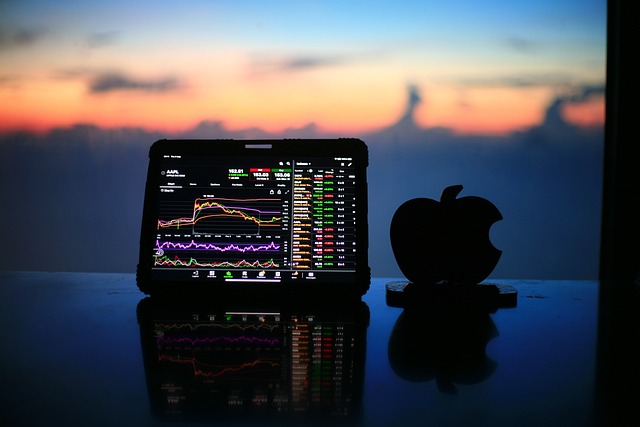
Most traders spend their time searching for better indicators, faster execution, or more sophisticated charting tools. Far fewer spend time examining the one feature that quietly records every decision they have made. That imbalance is surprising because the most valuable lessons often come from trades that have already been completed.
A well designed trader terminal does more than display prices and execute orders. Its trade history becomes a detailed record of behavior, revealing patterns that are almost impossible to notice while positions are still open. Over weeks and months, that information tells a story that no single winning or losing trade can explain.
The chart shows what the market did.
Trade history shows what you did.
Winning Trades Can Hide Bad Decisions
Many traders assume profitable trades validate the process behind them.
That assumption deserves closer examination.
A position might generate a healthy return despite poor timing, excessive position size, or a stop loss placed in an illogical location. Favorable market conditions can temporarily disguise those weaknesses, making them feel like strengths.
Experienced traders understand that results and decision quality are not always the same thing. They review winning trades with the same level of scrutiny as losing ones because success achieved through poor execution often becomes difficult to repeat.
One profitable setup can easily become four unnecessary trades.
Patterns Become Visible Only Over Time
A single trade provides very little information.
Twenty or thirty trades begin revealing tendencies.
Perhaps most losses occur during periods of low liquidity. Maybe profitable trades consistently originate from pullbacks rather than breakouts. Some traders discover they perform well during trending markets but repeatedly struggle inside consolidations.
Those observations rarely appear after one session.
They emerge only when enough decisions accumulate to form meaningful patterns.
Trade history transforms isolated outcomes into usable evidence.
Small Habits Often Cause Large Performance Swings
Consider a realistic market scenario. EUR/USD spends several hours moving sideways ahead of a major U.S. inflation report. The data triggers an aggressive breakout above resistance, drawing momentum buyers into the move.
Minutes later, institutional selling pushes the pair back below the breakout level, creating a classic false breakout.
Reviewing months of completed trades reveals that nearly every loss occurred after entering similar post news breakouts without waiting for confirmation. The problem was never identifying the direction. It was consistently reacting too early during periods of heightened volatility.
Without historical records, that recurring habit might have remained invisible.
The Best Feature Is Often the Least Exciting
Counterintuitively, the most useful platform tools rarely produce the most excitement.
Charts capture attention because they constantly change. Trade history appears static, leading many traders to ignore it until tax season or account reconciliation.
That is a mistake.
Professionals frequently spend as much time reviewing completed positions as they do searching for new opportunities. They recognize that improving future decisions usually begins with understanding past behavior rather than adding another technical indicator.
The market did not change nearly as much as the trader’s willingness to participate.
Better Records Lead to Better Questions
Trade history does not predict future price movements.
It improves the quality of self evaluation.
Instead of asking why a single trade failed, experienced traders ask broader questions. Which market conditions consistently produce their strongest results? Which session generates unnecessary losses? Do larger positions genuinely improve returns, or simply increase emotional pressure?
Those answers rarely come from memory alone.
A reliable trader terminal preserves every completed position, allowing objective review long after emotions have faded. Before looking for another indicator or strategy, spend time studying your recent trade history. The next meaningful improvement may not come from finding a better setup. It may come from recognizing a repeated habit that has quietly influenced dozens of trades without ever appearing on the chart.