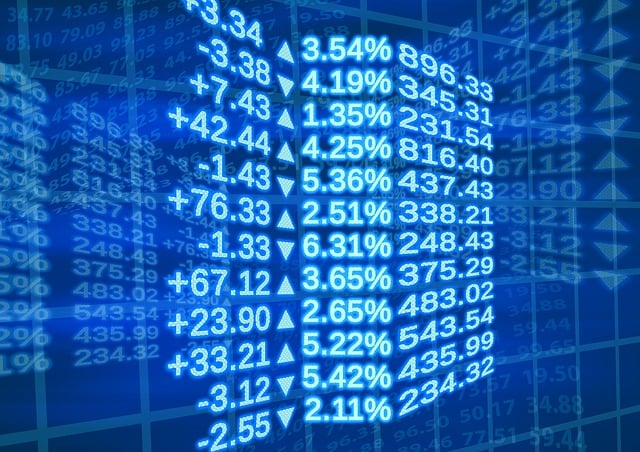
A trader’s day often begins with a simple glance at currency prices. Nothing dramatic happens in that moment, yet it sets the tone for everything that follows. People who work with currencies learn to pay attention to these small shifts, because they slowly shape the choices they make. Some feel confident, others feel uncertain, but all try to find patterns in the movement of money across borders. This quiet daily rhythm becomes the backbone of their craft.
Many discover early that markets move without waiting for anyone. Rates rise, fall, and hover for reasons that are not always clear. Instead of trying to chase every change, traders learn to slow down their reactions. They check news sources, watch how different regions open for the day, and look at yesterday’s charts. These simple steps give them a sense of direction. Even if the information feels incomplete, it still helps them decide how to approach forex trading with more control.
Beginners often expect big results right away. They imagine large profits and imagine that one bold decision will change everything. Reality teaches them something different. Most progress happens through steady, repeated practice. They adjust their screens, try new chart settings, and test different time frames. They place small trades, watch them unfold, and write down what they notice. This slow learning process becomes a routine that gradually shapes their skills.
Some traders build habits around specific times of the day. For example, someone might check charts before work, again during a lunch break, and once more in the evening. These small sessions help them stay aware of changes without letting the market consume every hour. They try to treat trading as a part of life rather than the centre of it. This balance helps them avoid emotional decisions that could disrupt their progress.
Others prefer a more flexible rhythm. They open their platforms only when they feel focused. They treat each session differently, sometimes studying long-term trends, sometimes following fast price shifts. They use alerts to pull them in only when something important happens. This style fits people who do not want to stare at screens all day. It lets them handle forex trading without drowning in information.
People also learn from the trades they do not take. A missed opportunity becomes a lesson about timing. A trade avoided at the last second becomes a reminder that hesitation sometimes protects them. These moments shape their understanding just as much as actual wins or losses. Over time, they discover which signals feel reliable and which ones tend to mislead.
Conversations with other traders influence their decisions too. Some join small online groups where they share charts and quick observations. Others talk with friends who trade casually. These exchanges rarely offer perfect answers, but they help traders see the market from new angles. A single remark about a currency pair can spark a shift in strategy. A story about a loss can push someone to tighten their risk control.
Technology also plays a quiet role in shaping daily habits. Traders explore different tools, switching platforms when something feels clumsy or slow. They want layouts that help them react without confusion. They keep notes about which tools helped them stay calm during volatile periods. When they find software that supports their rhythm, they keep it close and adjust their routines around it.
As skills grow, traders begin to understand that small details matter. They spot how a single economic report can change the tone of a currency pair. They learn to notice when markets feel heavy, when price action moves too fast, or when something seems out of place. These instincts do not form overnight. They grow from hundreds of small observations collected over time.