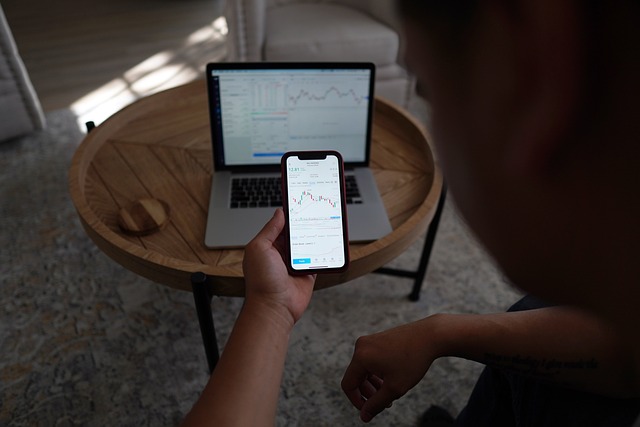
A trader can spend weeks reading charts and economic data, spot a pattern, then wake one morning to find a reversal that erases weeks of gains in hours. This experience changes people’s perceptions of the markets, risk, and even themselves. The new breed of retail players is learning not to foresee the next move, but to survive and flourish without needing to predict it.
Foreign exchange trading has always had an element of speculation to it. The tales of overnight riches long predate social media, drawing in newcomers who believed skill alone could replicate those results. What they found in the market is not a prize for cleverness, but a punishment for carelessness. The trader who enters a trade without a clear exit strategy is a fast learner, a lesson usually taught by a painful financial loss. It is a hard lesson, but one that sticks.
What separates successful traders from unsuccessful ones is rarely analytical skill alone. The more successful share common traits: a preference for process over instinct, discipline over emotion, and defined risk per trade. A trader who limits exposure to a specific percentage of their account, irrespective of their level of conviction, is implementing one of the core characteristics of long-term trading survival. Terms like risk/reward ratio and position sizing are widely used across the forex trading community, but applying them under pressure is an entirely different challenge.
The psychology of trading is now firmly at the heart of serious trading. The mental aspect of trading is now widely discussed in forums on Reddit, Discord technical analysis servers, and on YouTube channels with hundreds of thousands of subscribers. A retail trader in any time zone following an online educator encounters the same wisdom a floor trader discovered decades ago: the market doesn’t care what you think, and the sooner you accept that, the better you’ll perform.
This generational transition can be seen in the way that retail traders share their experiences. Losses are shared just as freely as wins. Post-trade reviews cover not just entry and exit decisions, but the emotions experienced throughout. This form of reflective practice, like that of professional athletes and surgeons post-performance, represents a higher level of maturity in retail trading culture that was far less common a decade ago.
None of this makes the market easy. Developing the right mindset does not insulate a trader from volatility. Unexpected central bank statements and geopolitical events continue to move currencies, and no single model covers every scenario. However, traders who have built longevity have stopped trying to predict those moments and focused instead on reacting to them. Losing well is not a consolation prize. It is a skill.
This trend extends beyond forex jargon and trading tactics. A generation that has learned discipline, consistency, and process outperform simple prediction is building an approach that extends well beyond currency pairs. Practices developed in the pressured environment of a live market often transfer to business decisions, personal finances, and long-term planning, and in that regard, the market is teaching something far greater than what any chart can show.