There is a certain point in travel where food stops being just about taste. It becomes about atmosphere. Sound, pace, heat, movement. Some places deliver meals. Others deliver a setting that stays with you longer than the food itself.
A Brazilian grill and cocktail experience sits firmly in the second category.
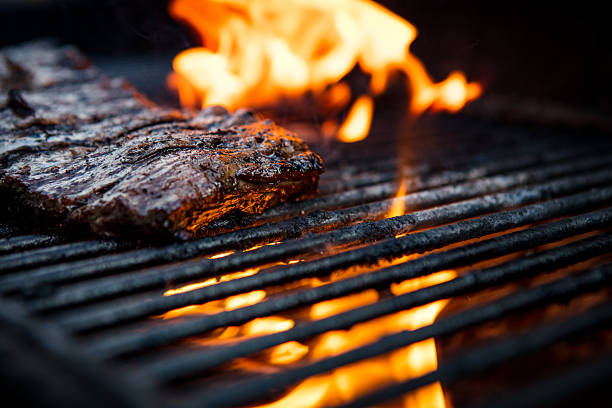
The first thing that stands out is the fire. Grilling is not just a method here. It is the centre of everything. Meat is cooked over open flame, often in large cuts, with simple seasoning that allows the natural flavour to come through. The focus is not complexity. It is control. Heat, timing, and texture.
This approach defines the entire meal. Each bite carries that direct contact with fire. It is not hidden behind sauces or heavy preparation. It is clear, deliberate, and consistent.
At places like Bronte Belo City, that fire-driven cooking is paired with a menu that blends traditional Brazilian flavours with a modern Sydney influence. You will see dishes such as feijoada, slow-cooked meats, and grilled cuts alongside lighter plates and seafood options.
What makes it work is not just what is served, but how it is structured. The meal does not feel linear. It builds. You start with smaller plates, then move into heavier grilled dishes, then slow down again with desserts or drinks. The pacing feels flexible rather than fixed.
That is where cocktails come in.
In many dining settings, drinks are secondary. Here, they are part of the rhythm. A well-timed cocktail changes how the meal feels. Something citrus-based cuts through the richness of grilled meat. Something stronger slows the pace down. The drink is not just a pairing. It sets the tone of the moment.
Menus often reflect this balance. Classic cocktails sit alongside Brazilian-inspired options. You might see a caipirinha next to a martini or a negroni. That mix is intentional. It gives flexibility depending on how the night is unfolding.
There is also a social aspect that shapes the experience. Brazilian-style dining leans toward sharing. Plates move across the table. Conversations overlap. The environment is not quiet, and it is not meant to be.
This is not accidental. Brazilian cuisine itself is built from a mix of cultural influences, including Portuguese and African traditions, which have shaped both the food and the way it is enjoyed. The result is a setting that feels active, not structured.
Even the smaller details reinforce this. Side dishes like cassava chips, black beans, rice, and salads are not treated as extras. They balance the meal. They break the intensity of the grill and keep the experience from becoming too heavy.
Another difference is how long people stay. This is not a quick dinner. It is a place where the evening stretches. The combination of grilled food, steady service, and drinks creates a slower pace. People settle in. They do not rush out once the main course is done.
That shift matters more than it seems. In many cities, dining has become efficient. Eat, leave, move on. A Brazilian grill and cocktail setting does the opposite. It encourages staying longer, talking more, and letting the experience unfold.
That is what gives it a travel feel, even when you are still in the city.
The fire, the food, and the drinks all point in the same direction. Not toward speed, but toward immersion. The meal is not broken into strict stages. It moves naturally, depending on the table, the mood, and the moment.
Fire-grilled food brings intensity. Cocktails bring balance. Together, they shape a dining experience that feels less like a routine and more like a night out that builds as it goes.