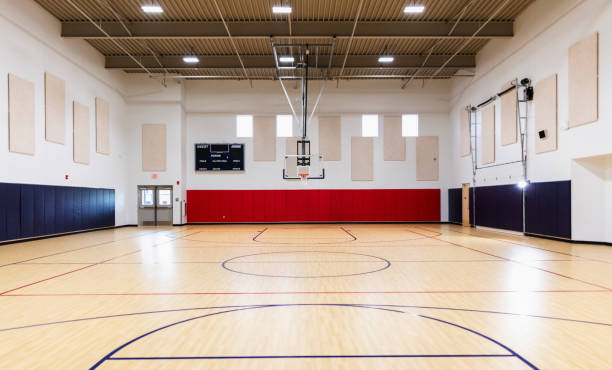
Busy training spaces often develop wear and tear faster than expected. Constant movement, shifting equipment, and groups rotating through stations create pressure on every surface. When walls remain uncovered, they collect marks, absorb accidental hits, and make the room feel unfinished. Many gym owners address this by adding a protective surface that changes how the room handles contact and daily use. Before installing anything, they walk through a series of practical checks that help them decide what fits their environment.
Once the zones are defined, the next concern is environmental stress. Gym walls face more than direct impact; they handle temperature changes, sweat, chalk, and humidity. Before choosing wall mats, managers check how the material reacts to moisture and whether it maintains shape after repeated contact. A material that absorbs moisture too easily becomes heavier and loses its structure over time. A more resistant material holds its form and keeps the room cleaner.
The installation method plays a large role too. Some mats require direct mounting, while others use hook-and-loop systems for quick removal. Managers decide based on how often the layout changes. In multipurpose gyms, equipment moves frequently, and removable coverings help staff reset the room faster. In specialised spaces, permanent installation offers more stability and a cleaner visual finish.
Another detail many people overlook is how the mat interacts with mounted equipment. Facilities often place racks, hooks, timers, or mirrors on the walls. The covering must work around these features without forcing the gym to redesign the entire room. Managers measure clearances, check cable routes, and ensure that the covering does not interfere with sensors or mounted gear. This planning prevents the need for costly adjustments later.
A separate consideration involves contact temperature. During high-intensity sessions, athletes may place their hands or shoulders against the walls. The covering should feel comfortable instead of overly warm or cool. Some materials maintain a stable temperature even during continuous use. This helps the room feel more inviting and reduces discomfort when athletes brush against the surface during drills.
Durability becomes the next logical check. In a busy environment, small scratches multiply quickly. Managers inspect sample pieces and examine the outer layer to see how well it resists scuffs. A tough outer surface stays neat for longer, helping the gym avoid constant replacements. When the covering keeps its clean appearance, the room feels more professional and remains easier to maintain.
Noise control enters the conversation too. Hard walls amplify sound, especially in enclosed training areas where many people work at the same time. A layer of protective material softens the echo. This change reduces the sharpness of claps, footwork drills, and dropped equipment. With improved acoustics, instructors communicate more clearly and the entire environment becomes less tiring during long sessions.
Colour choice also affects how the gym functions. Bright colours can energise the room, while darker tones hide marks and create a calm training space. Owners think about how these choices influence visibility, mood, and brand identity. They pick colours based on the room’s purpose rather than trends. A well-planned colour scheme also helps new members understand where activity zones start and end.
The final review focuses on maintenance. Gym staff clean surfaces daily, so coverings must support fast and effective cleaning. A non-absorbent layer that wipes down quickly saves time and improves hygiene. Managers test cleaning products on sample pieces to ensure no discolouration or surface damage occurs.
Once all these checks align, the installation proceeds smoothly. The gym gains a more durable interior, easier upkeep, and a surface that responds well to the demands of daily movement. With careful planning and attention to pressure points, wall mats turn exposed surfaces into safer, cleaner, and more functional areas.